

Stress Does Not Stay in Your Head. It Shows Up in Your Mouth.
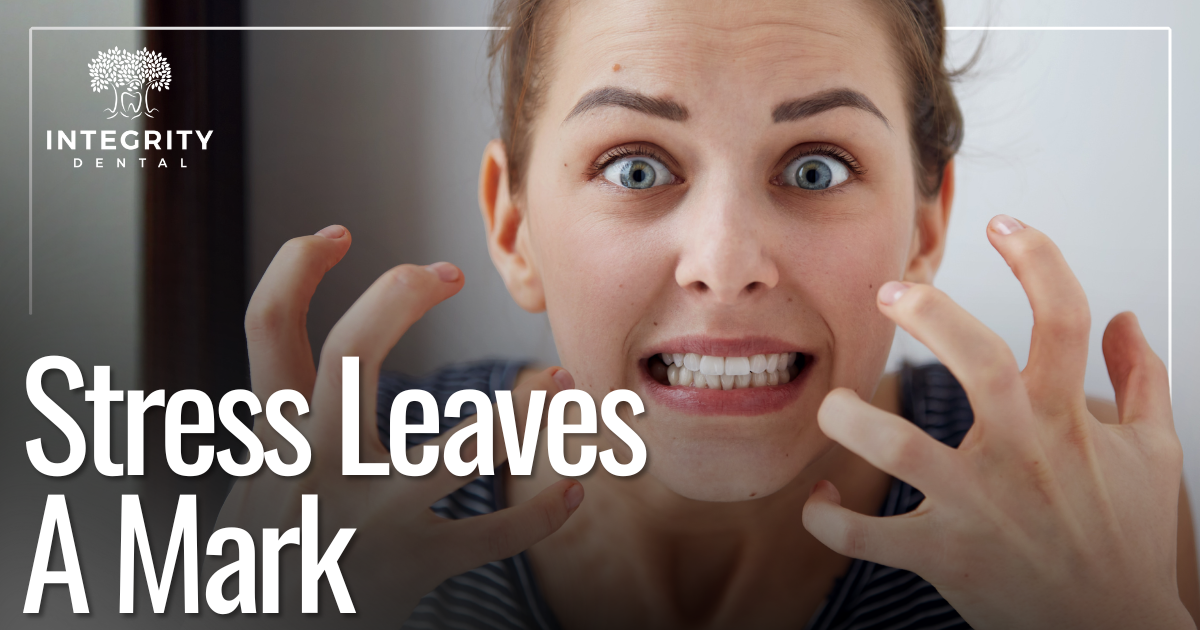
Many people think of stress as either mental or physical, but it is actually both. Your mouth often shows clear signs of stress. If you understand how stress affects your oral health, you can take steps to protect your teeth and gums before any lasting damage happens.
The Signs That Don’t Look Like Stress
Stress is rarely obvious. It often shows up as habits or physical changes that do not seem connected to what is causing the tension. Waking up with a stiff jaw, new tooth sensitivity, or a sore cheek from biting without noticing are subtle signs that people often miss. Here are some of the most common ways stress can show up in your mouth:
- Clenching or grinding your teeth, particularly during sleep
- Jaw soreness, morning headaches, or a tired feeling in your face
- Increased gum sensitivity, bleeding, or swelling
- Mouth sores resulting from cheek or lip biting
Each of these signs might seem small on its own, but together, they create a pattern you should not ignore.
What Stress Does to Your Jaw
The jaw is one of the main places where the body holds tension. Most people who clench or grind their teeth don’t realize they’re doing it. Bruxism is the clinical term for grinding and clenching teeth. It usually happens at night, so most patients aren’t aware of it. Still, the effects add up over time and are very real. Enamel wears down faster than it should. Teeth can develop small cracks, making them more sensitive and more prone to fracture. The jaw joint can become irritated, leading to discomfort that radiates to the face, neck, and temples. What starts as emotional tension can turn into a real physical problem. A custom nightguard can often help stop it from getting worse.
Stress Affects Your Gums
Stress affects gum health in various ways. Higher stress hormones change how your immune system deals with bacteria in your mouth, making your gums more sensitive and less able to handle the usual germs.
Inflammation that the body would otherwise keep in check can take hold more easily, and existing gum disease can progress faster during periods of sustained stress. At the same time, the behavioral changes that come with stress compound the problem. Oral hygiene routines get shorter or skipped. Patients may also delay dental appointments. When your immune system is weaker and you take less care of your mouth, gum problems can start or get worse without much warning.
Habits That Add Up
Stress usually does not show up as a single behavior. Instead, it builds up through repeated small actions, including:
- nail biting
- pen chewing
- snacking more
- drinking less water
- staying up later and sleeping less soundly
None of these feels significant at the time, and none is a big problem on its own, but over weeks and months, they can cause wear and sensitivity. The real issue is how these habits add up, often without you noticing, until the problems become too big to ignore. A nightguard that fits your bite can protect your teeth while you sleep. Keeping up with brushing and flossing, even when you’re busy, helps keep your mouth healthy.
The Bottom Line
Your oral health is directly tied to your stress levels. Understanding this connection can help you stop small problems from turning into bigger ones. Schedule a consultation with Integrity Dental at our office located in Wellington, FL.