


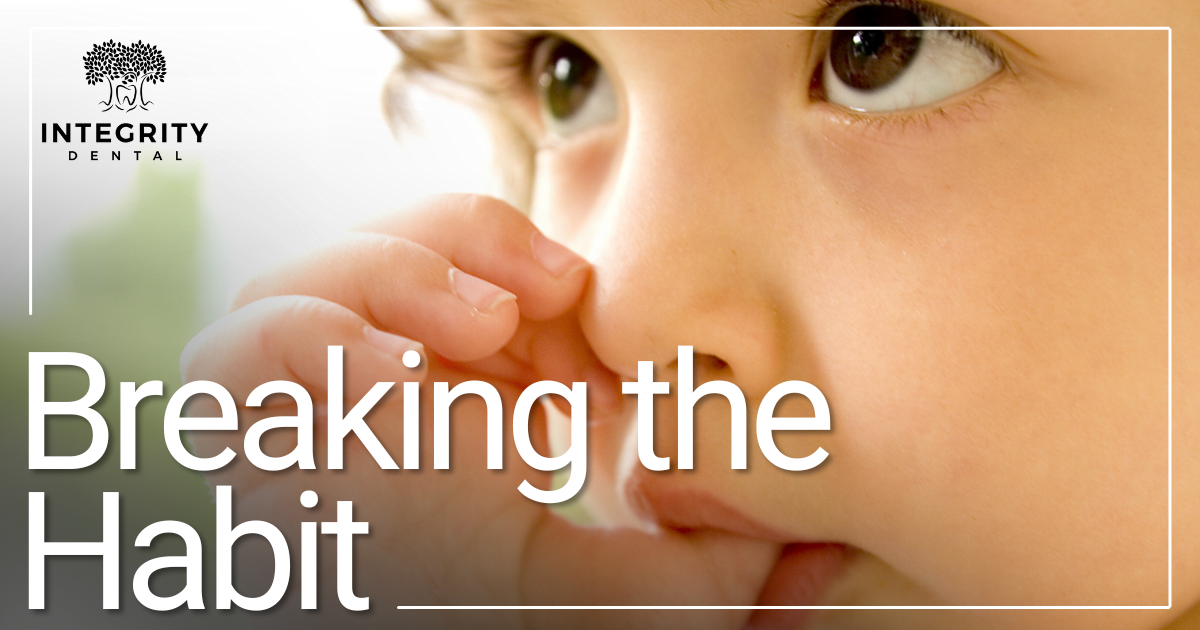
Thumb-Sucking, Pacifiers, & Your Child’s Smile: What Parents Need To Know
Thumb-sucking and pacifier use are very common habits in infancy and early childhood. They provide comfort, help children self-soothe, and can even make bedtime or stressful moments easier to handle. While these habits are usually harmless in young children, prolonged use can sometimes affect the development of their teeth and jaw. Understanding how thumb-sucking and pacifiers can impact oral health will help you support your child’s healthy smile.
Why Kids Suck Their Thumbs or Use Pacifiers
Thumb-sucking and pacifier use are natural reflexes for babies that serve several important purposes. They help children feel secure and calm in stressful or unfamiliar situations, making it easier for them to adjust to new experiences like starting school or visiting new places. These habits also often help children fall asleep more easily. For most kids, thumb-sucking and pacifier use are completely normal behaviors during infancy and the toddler years.
When Thumb-Sucking or Pacifier Use Becomes a Concern
While occasional thumb-sucking or pacifier use is generally harmless, prolonged habits, especially beyond the age of three or four, can sometimes impact dental and oral development. Constant pressure from a thumb or pacifier may push teeth out of alignment, potentially leading to overbite or open bite. Long-term sucking can also affect the shape of the roof of the mouth and jaw growth. In some cases, persistent habits may interfere with proper tongue placement, which could contribute to speech difficulties.
Tips for Helping Your Child Stop
If your child is older than three and still relies on thumb-sucking or a pacifier, gentle strategies can help them break the habit without stress or conflict:
- Use positive reinforcement. Praise your child when they go periods without sucking, and consider using sticker charts or small rewards to keep them motivated.
- Offer substitute comfort. Encourage other soothing techniques, like cuddling a favorite toy or blanket.
- Set gradual limits. Reduce pacifier use slowly, for example, allowing it only at bedtime or during stressful situations.
- Talk about it. Explain in simple terms how stopping the habit will help their teeth and smile grow healthy.
Avoid punishing or shaming your child, as this can make the habit harder to break and create unnecessary stress.
When to Seek Professional Advice
Regular dental visits with us at Integrity Dental are important for monitoring your child’s oral development. During these checkups, we can spot misalignment or bite issues early, offer guidance on safe strategies to help your child stop the habit, and, if needed, recommend dental appliances to prevent long-term effects.
Thumb-sucking and pacifiers are natural comforts, but prolonged use can affect your child’s teeth and jaw development. With gentle guidance, positive reinforcement, and regular dental checkups, you can help your child maintain a healthy, beautiful smile while still feeling comforted and secure. Call our office located in Wellington, FL, today to schedule an appointment.