

Periodontal Therapy 101
Taking care of your smile involves more than just protecting your teeth. Your gums and the structures that support your teeth play an essential role in maintaining long-term oral health. When these areas become infected or inflamed, it can lead to gum disease, a condition that often requires more advanced care than routine cleanings alone.
Periodontal therapy is designed to treat gum disease, restore gum health, and help protect the foundation of your smile.
What Is Periodontal Therapy?
Periodontal therapy refers to the treatments we use to manage gum disease by restoring gum tissue. When plaque and tartar build up along and beneath the gumline, bacteria irritate the gums. Over time, this infection may affect the bone that supports the teeth, leading to gum recession, loose teeth, or even tooth loss if left untreated. Certain factors, such as smoking, medical conditions, medications, and genetics, may also increase the risk of developing gum disease.
How Periodontal Therapy Works
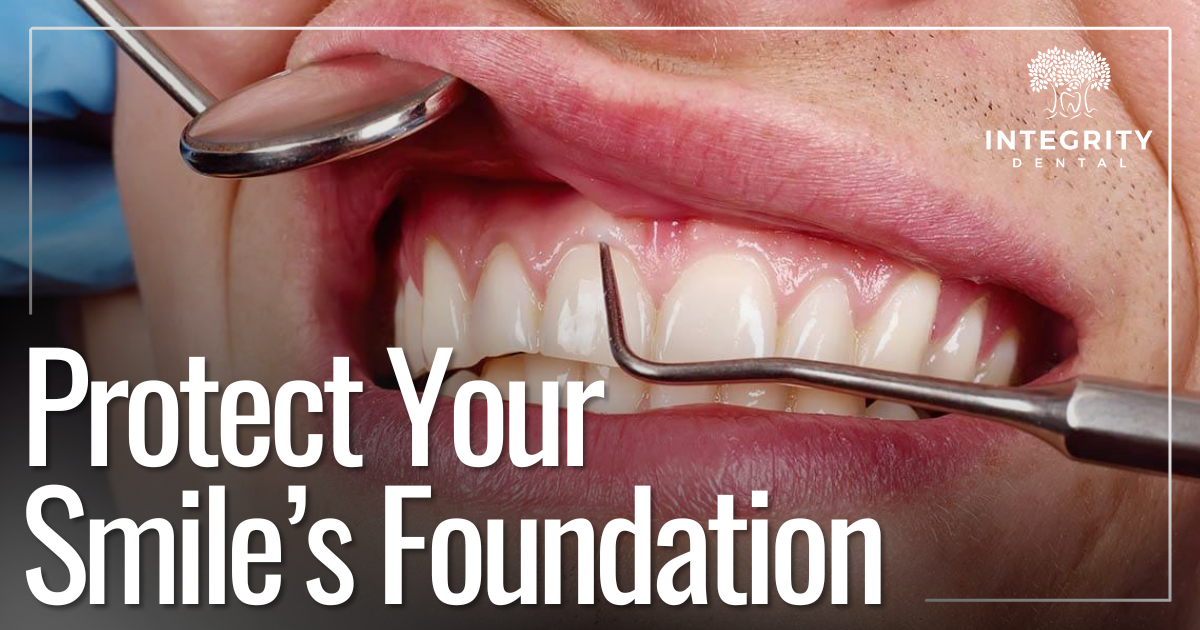
The goal of periodontal therapy is to remove infection, reduce inflammation, and create a healthier environment for the gums to heal. One of the most common non-surgical treatments is scaling and root planing, often referred to as a deep cleaning. During this procedure, we carefully remove plaque and tartar below the gumline, and we smooth the tooth roots to discourage future buildup.
For more advanced cases, we may recommend additional treatments, including:
- Gum grafting to protect exposed tooth roots
- Laser therapy to remove infected tissue
- Surgery to reshape and restore damaged gum tissue
Why Early Treatment Matters
Gum disease develops gradually, which means symptoms can go unnoticed in the early stages. However, without treatment, the condition will progress, leading to deeper pockets between the teeth and gums, ongoing inflammation, and damage to the supporting bone.
Periodontal therapy stops that progression before more serious complications occur. By addressing the underlying infection and removing harmful bacteria, treatment helps protect the structures that keep teeth healthy and stable.
Maintaining Healthy Gums After Treatment
While periodontal therapy can effectively manage gum disease, maintaining good oral hygiene habits remains one of the most important ways to protect your smile. Brushing, flossing, and regular dental visits reduce the risk of future buildup and allow our dental team to monitor your gum health over time. After periodontal treatment, ongoing maintenance appointments may also be recommended to help keep your gums healthy and your oral health on track.
A Healthier Foundation for Your Smile
Healthy gums provide the foundation for a strong, lasting smile. Addressing gum disease early and following through with proper care can make a meaningful difference in your long-term oral health.
If you have concerns about your gums or have been diagnosed with gum disease, contact our office located in Wellington, FL to schedule a consultation. Our team is here to help you restore and maintain a healthier smile.